
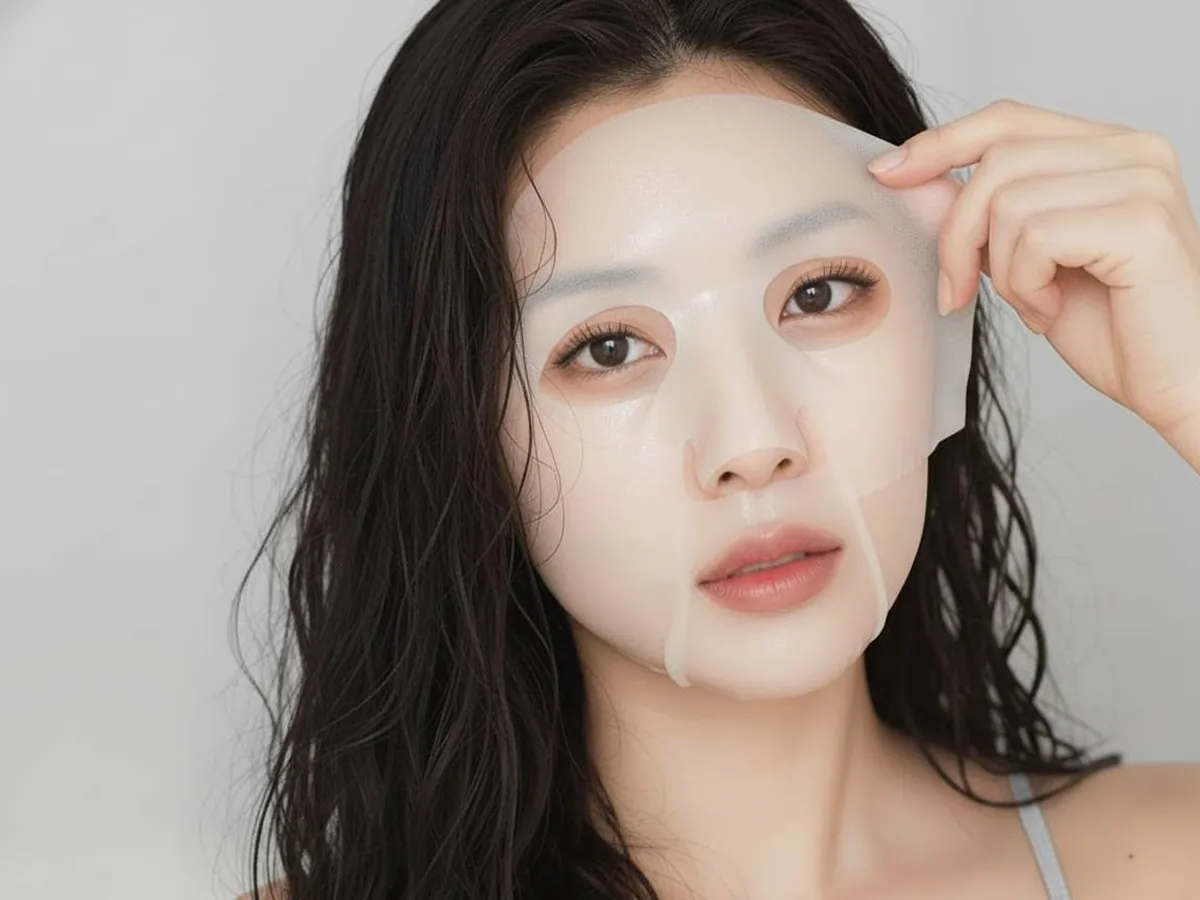
Using sheet masks every day might be hurting your skin. Despite what beauty influencers show you, that glow you see in the mirror could be hiding real damage underneath.
Celebrities love showing off their “one mask a day” routines, and it’s tempting to copy them. But here’s what most people don’t realize: celebrities deal with extreme stress, crazy sleep schedules, and tons of makeup that dries out their skin way more than yours probably does.
Dermatologists are pretty clear about this. They say you should use sheet masks only 1-3 times per week, even if your skin is already healthy and you just want to maintain it.
But if you really want to mask daily, make sure you’re not making these seven mistakes that can turn a good treatment into a destructive habit.
Mistake 1: Using the Wrong Sheet Mask Every Single Day
Treating all sheet masks like they’re the same thing leads to ingredient overload. If you don’t switch between different types of masks, you could be making your skin problems worse instead of better.
Powerful masks with vitamin C, retinol, or snail mucin should only be used once or twice a week. Using them every day gives your skin way too much of a good thing, which actually increases oil and clogs your pores.
Exfoliating masks damage your skin’s protective barrier and make your skin produce more oil. Keep these to once a week max to avoid building up damage.
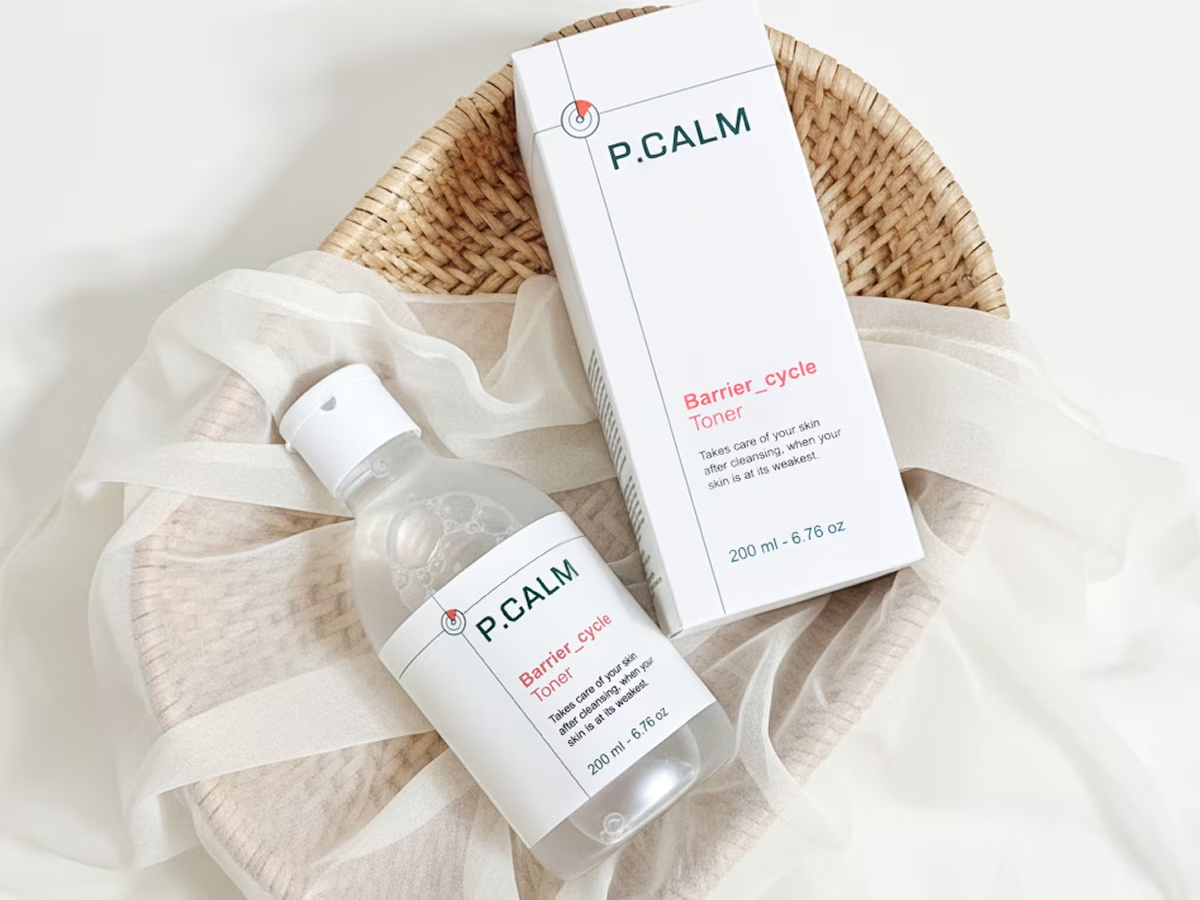
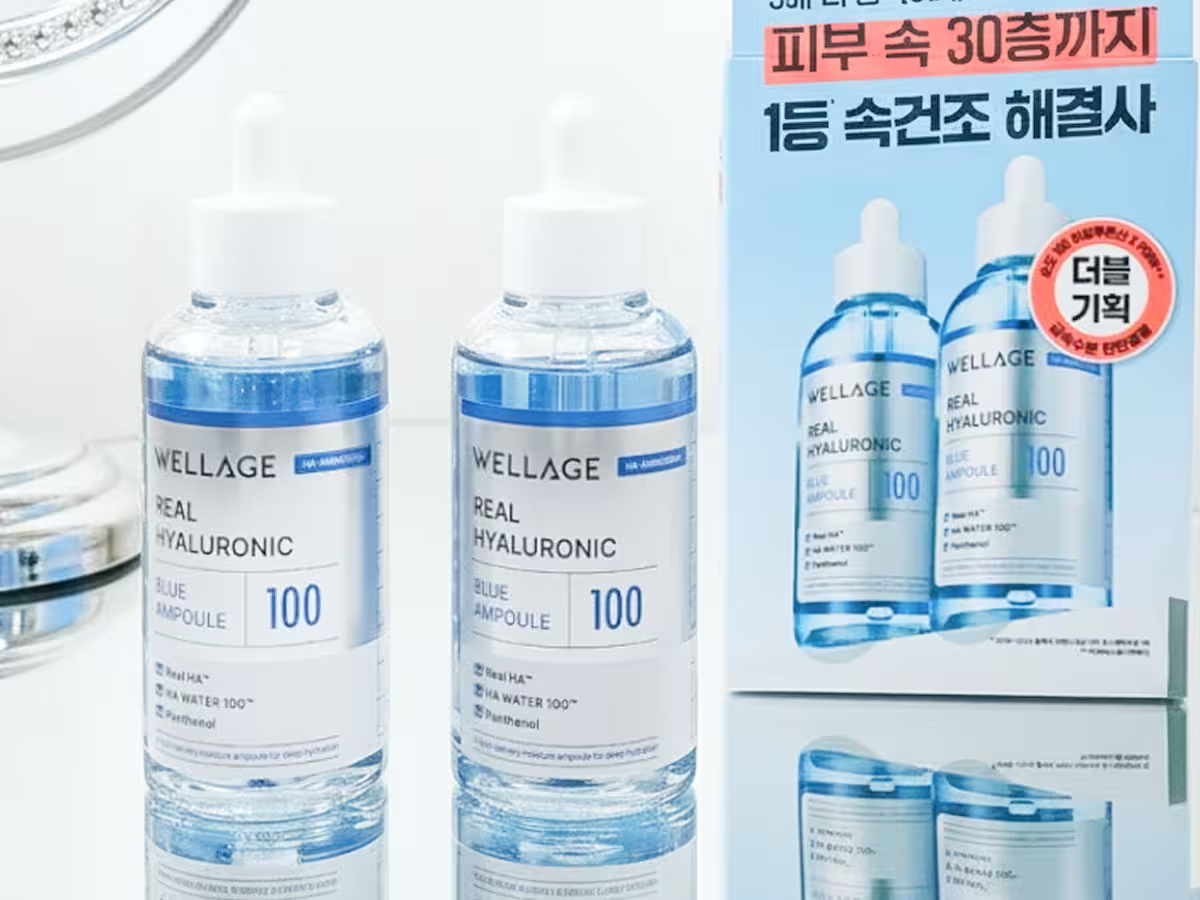
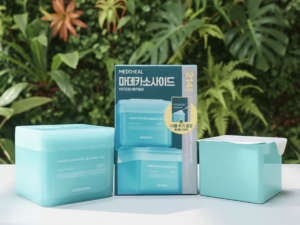
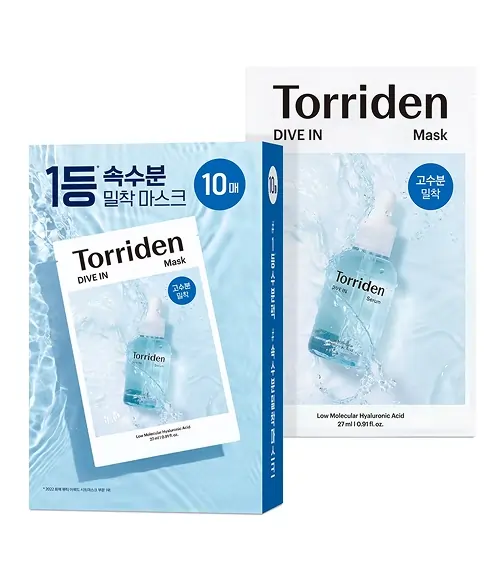
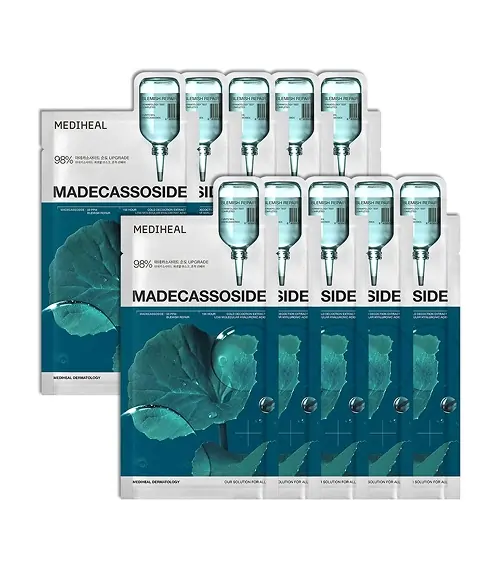
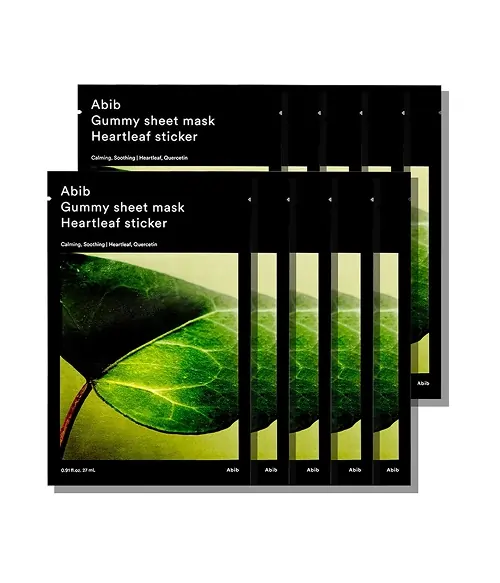
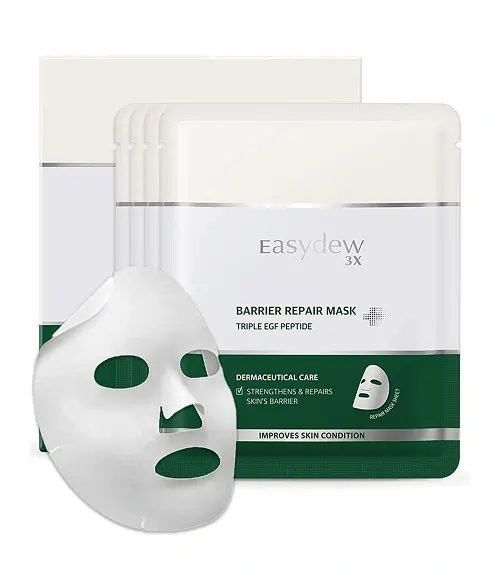
Only gentle, calming, and hydrating masks are okay for daily use. Look for ingredients like hyaluronic acid, ceramides, cica, calendula, or aloe that help repair your skin barrier. Here are five sheet masks that Korean dermatologists have confirmed are good for using every day.
Korean Sheet Masks to Use Every Day

Mistake 2: Not Considering Your Skin Type
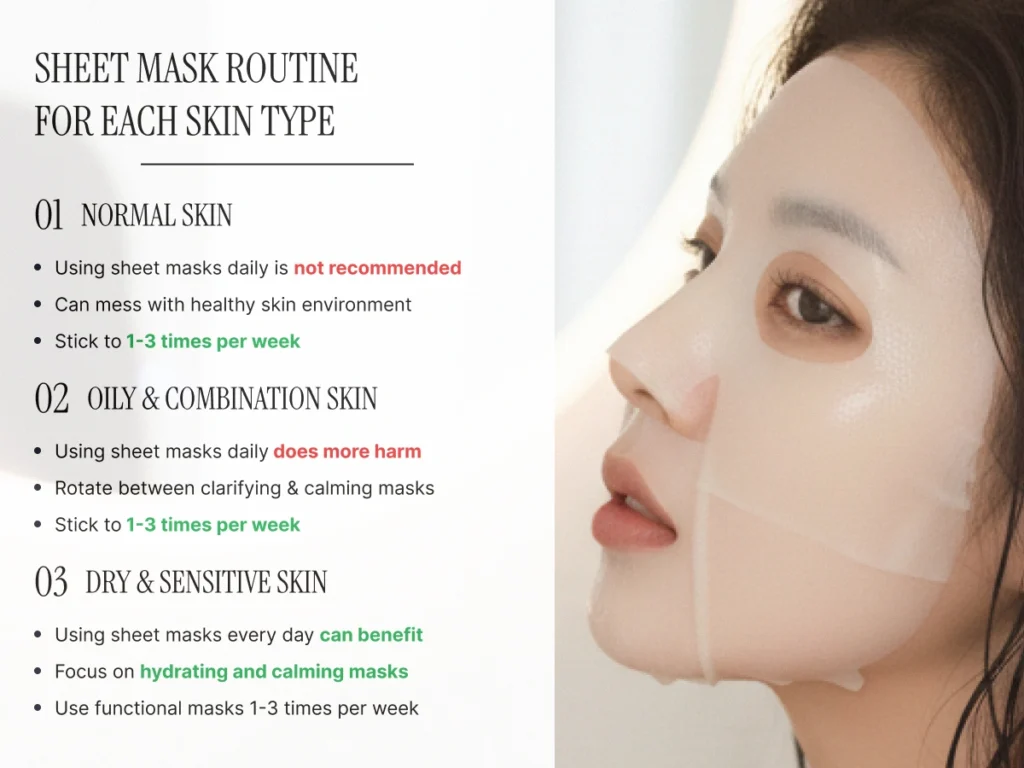
Daily sheet masking doesn’t work the same for everyone. You need to understand your skin type before you start any intense skincare routine like this.
Oily and Combination Skin
If you have oily or combination skin, skip daily masking completely. Using sheet masks every day can clog your pores with hardened oil, which leads to more oil production, inflammation, and stubborn acne.
Dry Skin
Dry skin is the exception here—you might actually benefit from daily hydrating masks. Regular moisture can help strengthen your skin barrier and keep your skin properly hydrated.
Sensitive Skin
If you have sensitive skin with lots of redness, daily calming masks can help too. This is especially true when dryness is causing your sensitivity, rather than other issues.
Normal Skin
Even if you have normal skin, don’t start daily masking. Your skin is already balanced, and using intensive treatments every day will probably mess that up instead of improving it.
Mistake 3: Storing Sheet Masks in Your Regular Refrigerator
Cold sheet masks feel amazing on your skin. But putting them in your regular fridge can actually cause more problems than benefits.
The extreme cold can freeze the ingredients, changing their structure so they don’t work as well. Cold temperatures also make your facial muscles contract repeatedly, which irritates your skin instead of calming it down.
The best storage temperature is 12-15°C (54-59°F). Most people don’t have wine fridges or special cosmetic coolers that maintain this temperature.
Here’s an easy workaround: keep your masks in a cool, dark place and only put them in the fridge 30 minutes before you use them. This way, you get that cooling sensation without damaging the ingredients.
Advertisement
Mistake 4: Leaving Sheet Masks On Too Long
Leaving your mask on longer doesn’t give you better results. It actually does the opposite by pulling moisture out of your skin instead of putting it in.
The optimal window is 15-20 minutes for standard sheet masks. Beyond this, the mask starts taking moisture from your skin. Good rule of thumb: remove the mask when it’s 70% dry, not completely dried out.
Toner-soaked cotton pads or thin sheet masks only require 3-5 minutes.
Unlike regular masks, overnight masks and hydrogel types are made to stay on for more than five hours. But these should only be used once or twice a week, not daily, no matter what the marketing says.
Mistake 5: Not Washing Your Face Before Using a Sheet Mask
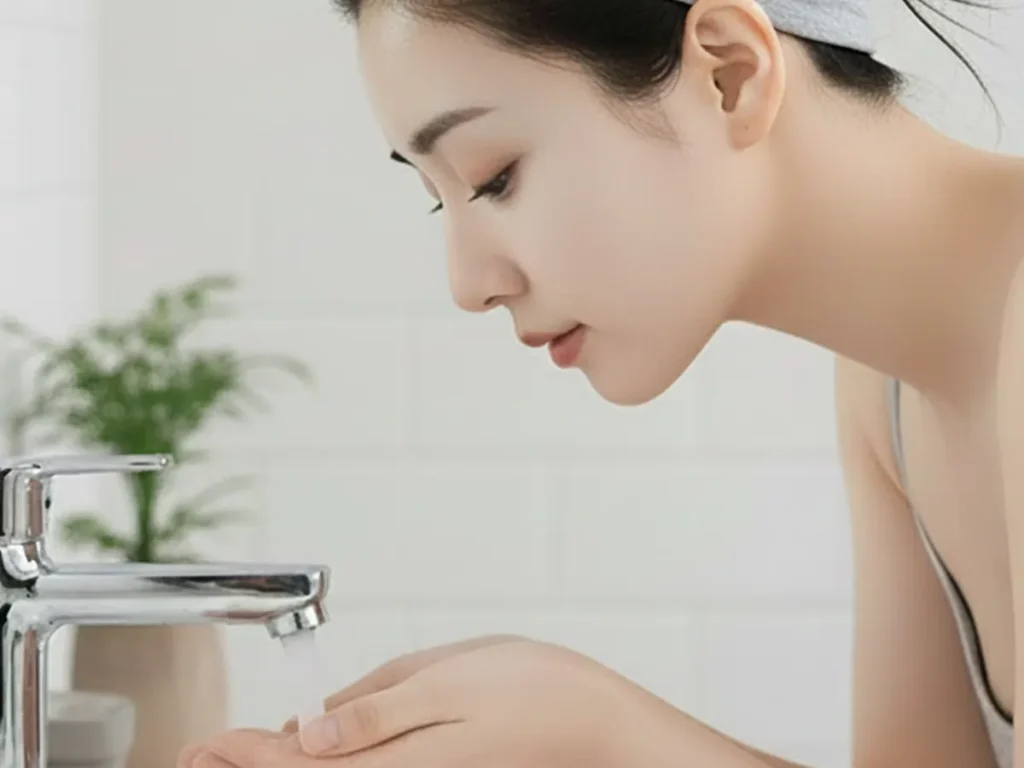
While skipping proper cleansing and toner before masking seems like a minor shortcut, it’s actually creating the perfect environment for breakouts, pustules, and folliculitis to develop.
Every time you put a mask on dirty skin, you’re trapping oil, dead skin cells, and bacteria against your face. This trapped stuff mixes with the mask ingredients and can cause inflammation, redness, itching, and skin irritation that gets worse if you keep doing it.
Plus, the good ingredients in your mask can’t even get into your skin properly. All that built-up debris and oil blocks the treatment from working.
There’s no shortcut here that actually works. If you don’t have time to cleanse properly, just wait and do the mask when you can prepare your skin the right way.
Mistake 6: Not Locking In Moisture Afterwards
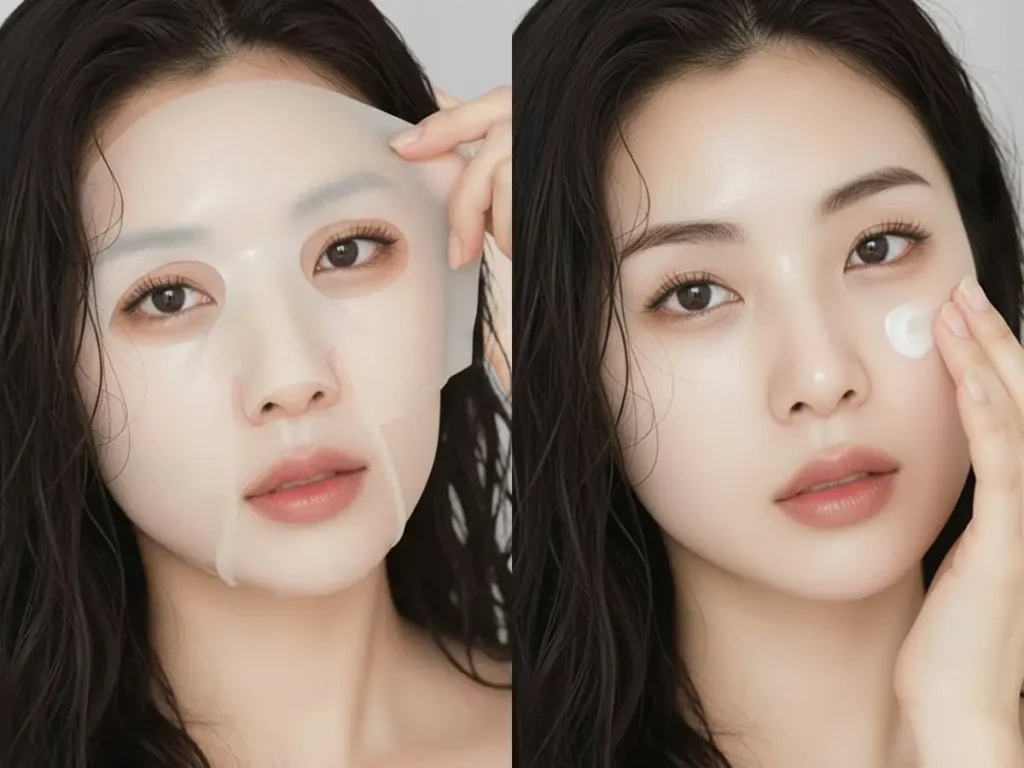
Sheet masks are mostly made of essence without anything to seal it in. Here’s something surprising: if you leave hydrating serums exposed to air, they can actually pull moisture away from your skin. So without a layer to seal them in, these ingredients might work backwards in dry conditions.
Using a non-comedogenic moisturizer after your mask creates a barrier that keeps water from escaping. This helps your skin hold onto moisture longer, without using heavy oils that clog your pores.
If you have oily or combination skin, use lighter gel creams. If you have dry or sensitive skin, you can use heavier barrier-repairing creams.
Don’t like how sticky masks feel? Here’s what you can do: rinse your face 2-3 times with water after taking off the mask, then do your regular skincare routine from the start.
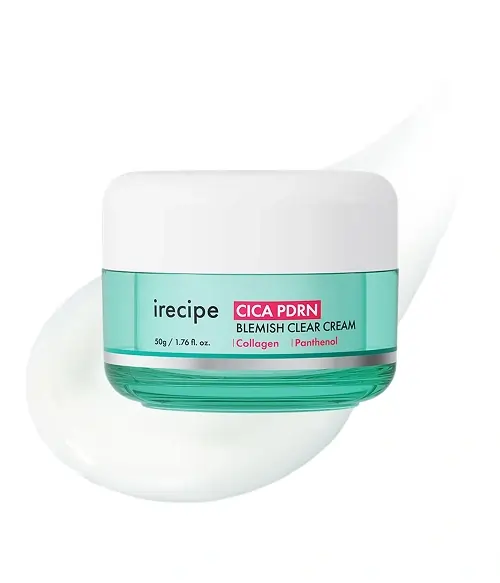
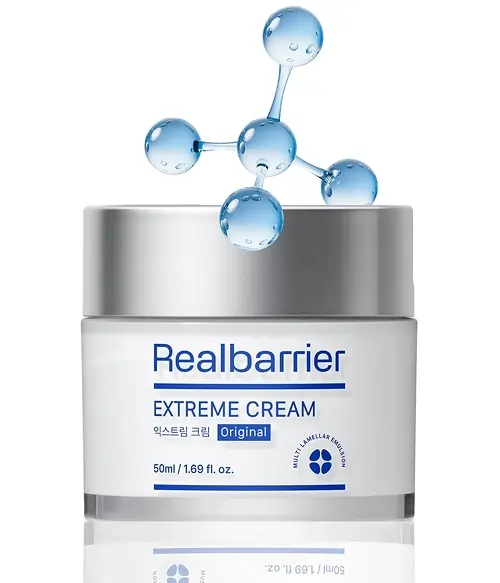
If you’re not sure which cream to use next, here are the 5 best Korean non-comedogenic moisturizers.
Korean Non-Comedogenic Creams
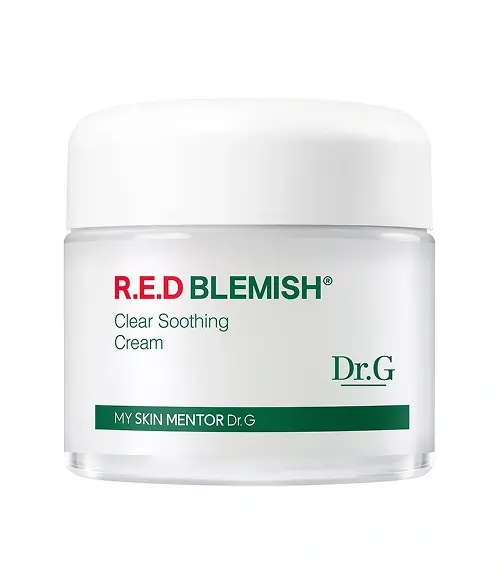
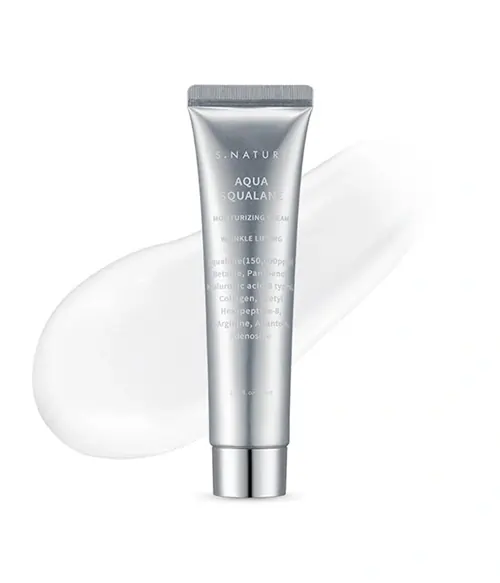
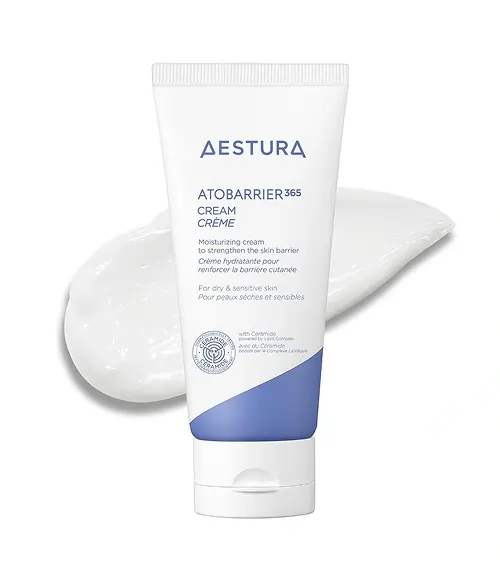
Mistake 7: Thinking Daily Face Masks Are the Cheapest Skincare
Daily sheet masking looks like it saves money. The instant results make it seem worth the cost and effort. But when you do the math, you’re actually spending more and getting less overall.
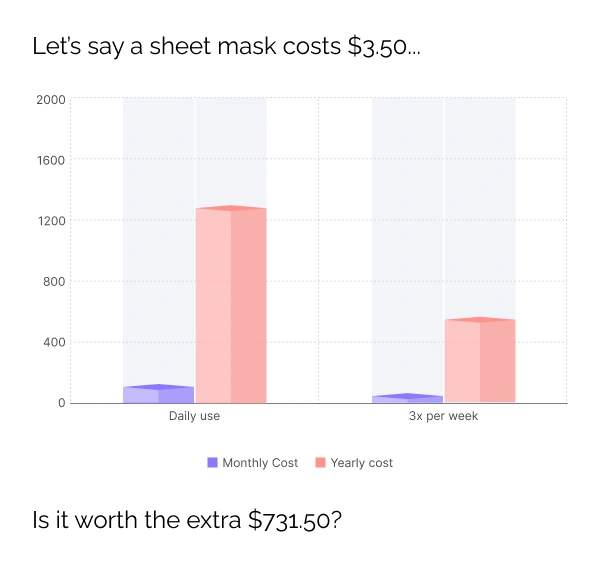
At $3.50 per mask, using one daily costs $105 a month. Three times a week costs only $45. That $60 difference could buy you quality daily moisturizer and serum to use alongside your weekly masks.
Trying to save money by buying cheaper masks just makes things worse. Budget masks have lower-quality ingredients and materials that can irritate your skin without giving you real benefits.
Sheet Mask Obsessed? Read This Checklist
Your skin might be telling you that your routine needs to change. If you have three or more of these signs, you should cut back to 1-2 times weekly:
- Your skin feels dry when you skip a day without masking
- Daily masking doesn’t give you the same results anymore
- You’re getting lots of small whiteheads or closed comedones
- Your skin is getting more sensitive, or the sensitivity isn’t improving even with continued masking
- Paying for daily masks is stressing your budget
- You’re developing small blisters or bumps on your skin
If several of these apply to you, your skin is probably struggling. Gradually using fewer sheet masks lets your skin restore its natural balance without constant products.
Understanding the Reality of Using Sheet Masks Daily
The daily sheet mask trend came from celebrity routines dealing with extreme situations. These people handle irregular schedules, environmental stress, and constant makeup that requires professional skincare help.
Most people don’t deal with these same conditions every day. Healthy skin doesn’t need the intense care that stressed celebrity skin might need to look good.
If you really want to use sheet masks every day, even after reading all this, at least avoid these mistakes. But the recommendation based on actual research is still using sheet masks 1-3 times per week. This lets your skin benefit from treatments without overdoing it or damaging your skin barrier.