

The glass skin routine has become one of modern beauty’s most profitable obsessions, driving billions in global skincare sales. You’ll find entire aisles devoted to products promising that translucent, poreless, almost reflective complexion popularized by Korean beauty standards.
The narrative is compelling: follow this regimen, buy these products, and you can achieve skin so luminous it looks like polished glass.
But here’s what the $190 billion global skincare industry rarely acknowledges.
Consumers are being sold an incomplete equation. “Glass skin” is not a single product outcome, nor can it be bottled into a skincare routine. It represents the cumulative effect of genetics, internal health, diet, sleep, stress, and consistent skincare, all working together over time.
In other words, most consumers are addressing the surface while overlooking the system.
If your glass skin routine isn’t delivering, it’s not because you’re failing the process. It’s because the playbook was written to keep you dependent on topical solutions.
Here are ten fundamental truths the beauty industry would prefer you didn’t know.
5 Obvious Reasons You Don’t Have Glass Skin
Let’s start with what you already know but might be ignoring.
1. You’re not drinking enough water.
It makes sense that skin hydration requires both topical moisturizer and water intake, yet most people neglect adequate water consumption.
Studies show topical moisturizers outperform water intake alone for surface hydration, but adequate dietary water remains crucial for optimizing skin barrier function, especially if your intake is low.
Internal hydration creates the foundation for topicals to deliver results. Chronic water deficits cause dullness and compromised barrier function that no skincare product can fully reverse.
2. You over-cleanse and exfoliate too often.
Double cleansing, foaming cleansers, and daily acids—these staples of glass skin routines often backfire. Over-cleansing with foaming agents strips your lipid barrier and disrupts your microbiome, leading to tightness, flakiness, and that compensatory oiliness you’ve been fighting, all within days.
Top that with over-exfoliation, and the damage compounds fast. Physical scrubs, AHAs, and BHAs erode your protective layer, triggering micro-inflammation and sensitivity. You’re compromising the stratum corneum, the layer responsible for glass skin’s reflective smoothness.
How do you know if you’re overdoing it? It starts with your skin type, but telltale signs include excess oil production, increased dryness, or new sensitivity. Your skin is telling you it’s compensating for damage.
3. You’re skipping sunscreen.
Daily UV exposure creates cumulative oxidative damage that breaks down collagen, creates hyperpigmentation, and roughens skin texture. You can’t glow through sun damage, no matter how many brightening serums you layer on.
Every unprotected moment in daylight sabotages your skin at the cellular level, creating an uneven canvas that no topical treatment can entirely undo. Glass skin requires unblemished clarity that UV systematically destroys.
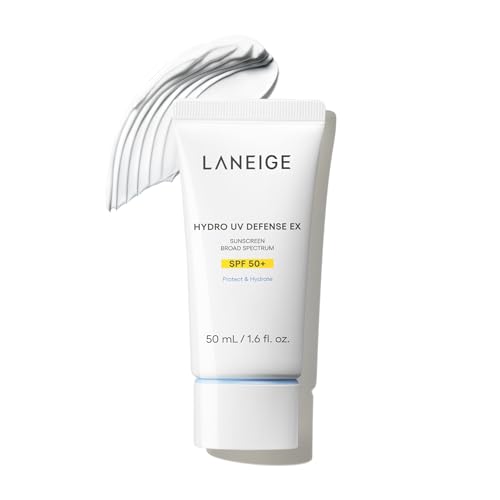
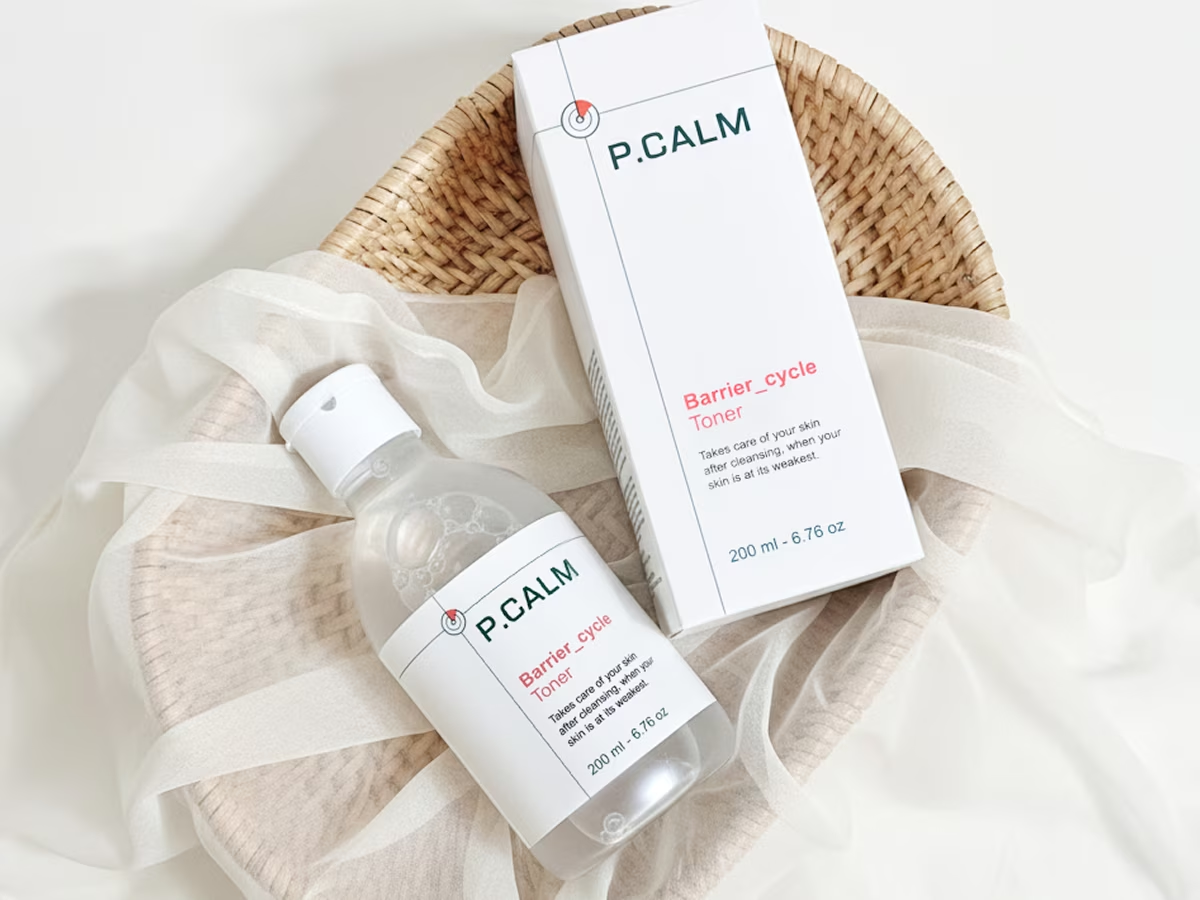
- Hypoallergenic & Dermatologist-Tested
- Broad Spectrum Sun Protection with No White Cast
- Hydro-ionized Mineral Water & Centella asiatica
4. You’re not sleeping enough.
Quality sleep is the unsung hero of radiant skin, a non-negotiable pillar no skincare product can replicate. In fact, it’s free yet the most effective tool for achieving glass skin.
During deep non-REM sleep, growth hormone surges to orchestrate cellular repair, collagen synthesis, and epidermal turnover. This cascade strengthens your moisture barrier, flushes toxins via lymphatic drainage, and replenishes lipids for dewy texture. Skimp on sleep, and you short-circuit the process.
Chronic sleep deficits spike cortisol, degrading hyaluronic acid and collagen while inflaming skin. The result is everything you’re trying to avoid: dullness, under-eye circles, accelerated fine lines, increased pore size, and darkening skin tone. Even one day of sleep deprivation reduces skin hydration. Skin gloss, transparency, and elasticity deteriorate while desquamation and wrinkles worsen.
5. Your diet needs a check-up.
Diet, diet, diet. We’re constantly reminded how important a balanced diet is to ensure our skin has sufficient nutrients, minerals, and calories to thrive and glow. What you eat directly impacts your skin’s health.
High-glycemic foods, such as refined sugars and white bread, spike insulin levels, which trigger excess oil production and inflammation. This often leads to a dull complexion and clogged pores. Meanwhile, trans fats from processed snacks damage cell membranes and stiffen collagen, causing premature fine lines.
This is all driven by the gut-skin axis. Poor nutrition disrupts your gut microbiome, leading to breakouts and redness that creams can’t fix.
The good news: a balanced, whole-food diet need not be expensive. A high-stress “perfect” diet is often more detrimental to your skin than a low-stress “balanced” budget diet. You cannot out-eat a high-cortisol lifestyle.
5 Not-So-Obvious Reasons You Don’t Have Glass Skin
You’ve mastered the fundamentals. Your routine is disciplined, your product choices are informed, and you’ve put in the work. Yet, if you’ve plateaued despite doing everything “right,” you haven’t hit your ceiling.
You’ve simply exhausted fundamental solutions and are ready to optimize the hidden factors that separate good skin from glass skin.
6. You’re layering too many “good” products
The beauty market has mastered the “miracle” narrative, leveraging influencer-driven virality to convince consumers that the next breakthrough serum is the missing piece of their puzzle.
But audit your current routine, and you’ll likely find a startling reality: between cleansers, toners, essences, serums, and treatments, you’re applying 50 to 100 individual chemical compounds to your face daily.
This excessive layering isn’t merely expensive—it’s counterproductive. Dermatologists are increasingly advocating for “skinimalism,” a strategic shift toward streamlined, high-efficacy routines.
When you flood your skin with a chaotic mix of products, you create two critical problems.
- First, chemical incompatibility. Ingredients from different brands aren’t formulated to work synergistically. Layering multiple actives can trigger unforeseen reactions that neutralize efficacy or, worse, cause chronic low-grade inflammation.
- Second, the diagnostic dead end. If your skin reacts, isolating the culprit becomes virtually impossible. Whether it’s a specific preservative, fragrance, or active ingredient, the signal is lost in a sea of variables.
When layering is necessary, the most sophisticated approach is single-line consistency. Korean skincare manufacturers design their collections with compatible pH levels and complementary active concentrations specifically to avoid the formulation conflicts that arise from mixing brands indiscriminately.
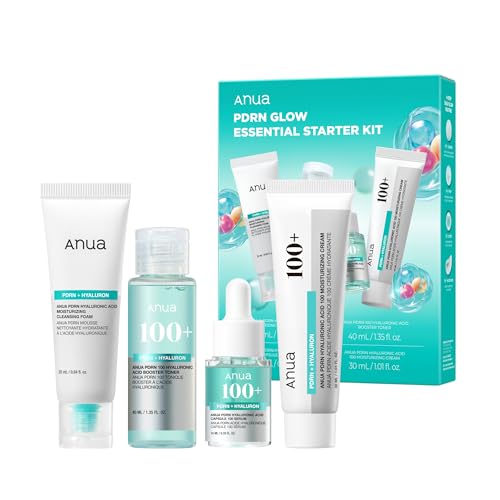
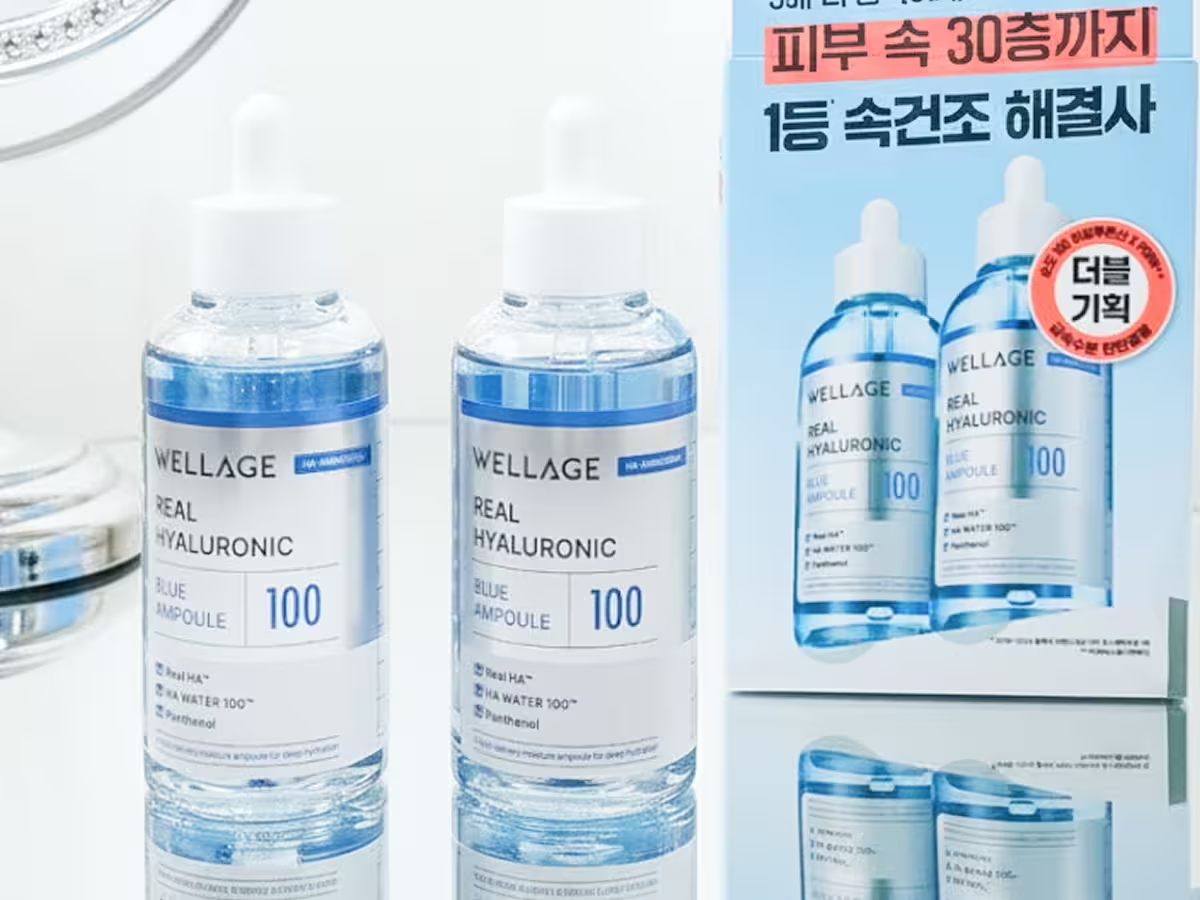
This Starter Kit is a great entry point for high-performance layering. With PDRN, 10-layer Hyaluronic Acid, and Hydrolyzed Collagen, this four-step routine lets you layer adequate moisture to repair and plump the skin.
7. You’ve neglected your environment.
Your environment is one of the most overlooked factors in achieving glass skin. Skin doesn’t exist in isolation. It continuously responds to ambient air quality, humidity levels, temperature fluctuations, and contact surfaces.
Consider the basics. Using unwashed towels transfers bacteria, oils, and environmental pollutants directly onto facial skin. Even a clean towel over your pillow is a zero-cost intervention that maintains a healthier skin microbiome.
Indoor climate matters more than most realize. In dry or heated environments, low ambient humidity creates a moisture gradient that compromises skin barrier function.
Without enough ambient moisture, humectants such as hyaluronic acid can actually pull water from the deeper layers of the skin, leading to dehydration. A properly maintained humidifier addresses this structural problem. It’s not a product you apply, but it’s an environmental condition you control.
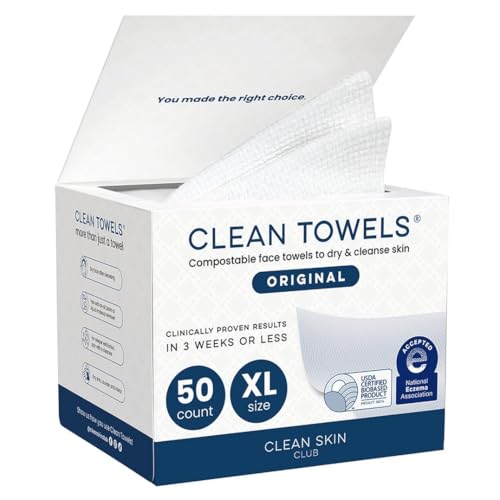
- 100% USDA Biobased Face Towel
- Disposable Face Towelette
- Eczema Association Accepted
8. Your gut health needs attention.
Dysbiosis—an imbalance in the gut microbiome—is more prevalent than commonly understood and triggers a cascade of effects that surface as skin dysfunction.
The mechanism links gut inflammation to increased intestinal permeability (“leaky gut”), potentially driving systemic inflammation that weakens skin barriers. This raises transepidermal water loss, disrupts ceramides, and fuels low-grade inflammation.
The most accessible intervention is dietary: increase fiber-rich whole foods, incorporate fermented foods, and reduce processed ingredients and excess sugar. This requires no additional expenditure and supports microbiome diversity through food-based prebiotics.
For those willing to invest further, evidence-backed probiotics with multiple strains and sufficient CFUs show promise in clinical trials for skin outcomes. Still, the foundation should remain dietary.
9. Consider supplementation—but only after fundamentals are solid
Glass skin demands more than flawless routines: it requires optimal levels of collagen, hyaluronan, and ceramides. These are like the bricks, mortar, and waterproof sealant of your skin, and they naturally fade with age or genetics.
Collagen synthesis begins declining roughly 1% annually starting in the mid-to-late twenties. Hyaluronic acid production slows. Ceramides weaken, particularly under environmental stress.
Some individuals simply have lower genetic baselines for these compounds, meaning even optimal topical routines fall short of the “lit-from-within” effect.
Here are four extra supplements that Korean dermatologists have recommended to people who have a good lifestyle but need the extra push:
- Start with collagen peptides. They have the strongest clinical evidence and improve elasticity, dermal density, and fine lines across all skin types. Hydrolyzed collagen shows superior absorption.
- Hyaluronic acid supplementation benefits those with dry or dehydrated skin types, complementing collagen’s structural improvements with enhanced dermal moisture retention.
- Ceramides, particularly milk-derived formulations, reduce transepidermal water loss and support barrier health, contributing to the smooth, uniform texture central to glass skin aesthetics.
- Glutathione functions as a master antioxidant with evidence for reducing oxidative damage, improving elasticity, and inhibiting melanin production for tone correction.
10. You’re chasing an algorithmically distorted standard
The luminous complexions dominating social feeds are rarely a product of unadulterated biology. Instead, they stem from ring lights at optimal angles that camouflage texture, professional retouching that eradicates pores, and sophisticated AI filters that craft an unattainable smoothness.
You’re comparing your unfiltered reality to professionally manipulated imagery, then internalizing the gap as personal failure.
Korean beauty’s high-stakes arena intensifies this: Dermatologists note surging clients pursuing poreless, blemish-free perfection, venturing into realms biology rarely permits.
The outliers who genuinely achieve it fall into two categories: those blessed with rare genetic advantages, or those committing substantial ongoing investment to professional protocols. These include Pico-laser resurfacing, Rejuran regeneration, and polynucleotide infusions. Such treatments cost thousands yearly, remaining out of reach for most of those chasing the look online.
The Real Cost of Chasing Glass Skin
The beauty industry has mastered the art of selling aspiration. Glass skin (with its promise of poreless, luminous perfection) represents the latest evolution of an age-old equation: identify an insecurity, create a standard, then monetize the gap between reality and ideal.
The uncomfortable truth is that the most effective interventions—quality sleep, stress management, whole foods, adequate hydration—are free, yet consistently deprioritized in favor of topical solutions.
Meanwhile, the advanced treatments that genuinely transform skin texture into glass skin (Pico-laser resurfacing, polynucleotide injections, Rejuran) remain financially inaccessible to most consumers chasing the same aesthetic on social media.
Perhaps the most valuable insight is this: you are permitted to reject glass skin as an aspirational goal.
You are permitted to have visible pores, natural texture, freckles, and skin that resembles human biology rather than algorithmically-smoothed imagery. You are permitted to allocate your resources, financial and psychological, toward pursuits that deliver more sustainable returns than chasing a digitally distorted beauty standard.
The pursuit of improved skin health is legitimate. The pursuit of impossible perfection is market-manufactured anxiety designed to ensure continuous consumption.
Your glass skin routine should serve your well-being. Choose wisely which game you’re playing.