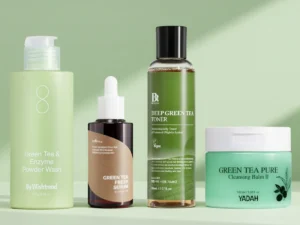


Everyone experiences a period of skin sensitivity at some point in life, even those with typically resilient skin. It’s simply part of having skin. Seasonal shifts, temperature changes, and stress can all weaken the skin barrier, making sensitivity a universal experience rather than a rare condition. While mild sensitivity often improves with consistent daily care, severely compromised skin may require medical attention, and that’s when it’s best to see a dermatologist.
Sensitive skin is characterized by its tendency to develop inflammation or adverse reactions to external stimuli. It lacks resilience, has thin tissue that reacts easily to irritation, and responds to seasonal changes and psychological factors. Common causes include excessive degreasing from harsh cleansers, impaired epidermal lipid production, and decreased sebum secretion due to aging.
How to Tell if You Have Sensitive Skin
Sensitive skin can be either genetic or acquired. People with genetic sensitivity have naturally thinner skin and fewer cells in the stratum corneum, which makes their protective barrier more easily compromised and susceptible to deeper damage. In contrast, sensitized skin causes redness and itching due to factors such as seasonal changes, stress, or lifestyle habits, but the symptoms can fade once the underlying cause is addressed.
While those with eczema or rosacea are often aware of their sensitive skin, freckles can also indicate skin vulnerability. Although freckles don’t necessarily signal an underlying condition, they may reflect a genetic predisposition toward a more delicate skin barrier that is easily compromised and prone to sun damage. Even in the absence of itching or discomfort, delicate skin requires careful attention and consistent care.
PROS
- Heightened awareness of what your skin needs
- Early adoption of gentle routines that benefit long-term skin health
CONS
- Frequent irritation from everyday products and environmental factors
- Limited product options requiring careful research and testing
- Higher risk of conditions like eczema, rosacea, and contact dermatitis
- Can affect confidence and quality of life
How to Care for Sensitive Skin
Since sensitive skin has a weaker barrier, it requires a skincare routine focused on deep moisturization, barrier repair, and effective sun protection. The skin barrier is like cement filling the gaps between skin cells. It shields us from external irritants and keeps moisture locked in. When this barrier is compromised, even the best skincare ingredients can’t do much. It’s like pouring water into a bottomless jar.
So, think of ceramides as an essential ingredient. These proven components for moisturization and barrier repair represent the minimum standard for sensitive skin care. Other beneficial ingredients include panthenol and niacinamide. Additionally, incorporate products containing madecassoside and asiaticoside, the key components of centella asiatica (cica). These ingredients activate the skin’s regeneration switch, helping it self-repair and transforming it into healthier skin. Don’t forget hydrating actives as these are essential fuel for skin regeneration.
Long story short, sensitive skin needs a skincare routine that builds the skin barrier, maximizes cell regeneration, and deeply hydrates from within. Of course, avoid products with artificial fragrances, dyes, and other irritants. Even with low-irritant products, conduct patch tests to ensure compatibility. Test on the inner arm or behind the ear to confirm the product suits your skin.
For sensitive skin, using non-comedogenic products is generally recommended, even if you’re not acne-prone. Non-comedogenic describes products, formulas, and ingredients designed to prevent pore blockage and blemish formation. These products are typically formulated with gentler, less irritating ingredients, which help reduce the risk of irritation, redness, and inflammation.
Morning Korean Skincare for Sensitive Skin
Whether you should cleanse in the morning depends on whether your sensitive skin is dry or oily. Sensitive skin often coexists with other skin types, so if you have oily, acne-prone skin, watery products are recommended. If your sensitivity stems from dryness, follow a routine for dry skin instead.
Step 1: Cleanse
If minimal oil and debris have accumulated overnight, you may not need a cleanser at all. Simply rinsing your face three or four times with lukewarm water before applying your skincare products may be more beneficial.
If oil has built up, use a gentle, low-irritant cleanser for a brief session. Foaming washes or creamy foam cleansers work well here. While mildly acidic cleansers are generally best, those with acne-prone skin may want to consider slightly alkaline options.
Beyond just low-irritant formulas, look for non-comedogenic products, and for extremely sensitive skin, check if the product is suitable for infants. While Korean skincare products often claim to be non-irritating, the reality can differ in practice.
Recommended Morning Cleansers for Sensitive Skin
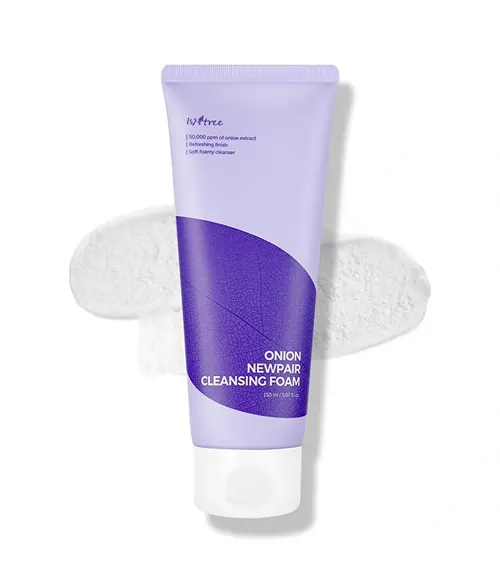
Gentle alkaline, non-comedogenic cleanser with a creamy foam that soothes, hydrates, and repairs skin using onion extract and sodium heparin complex.
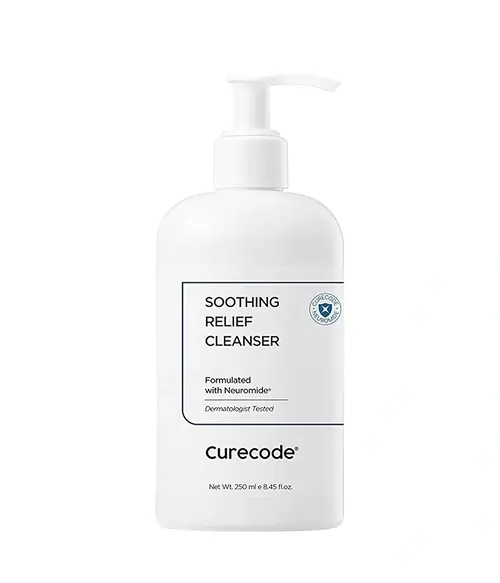
A non-comedogenic low-pH gel cleanser with ceramide and panthenol to strengthen the skin barrier. Safe for babies and tested for skin irritation.
Step 2: Hydrate and Moisturize
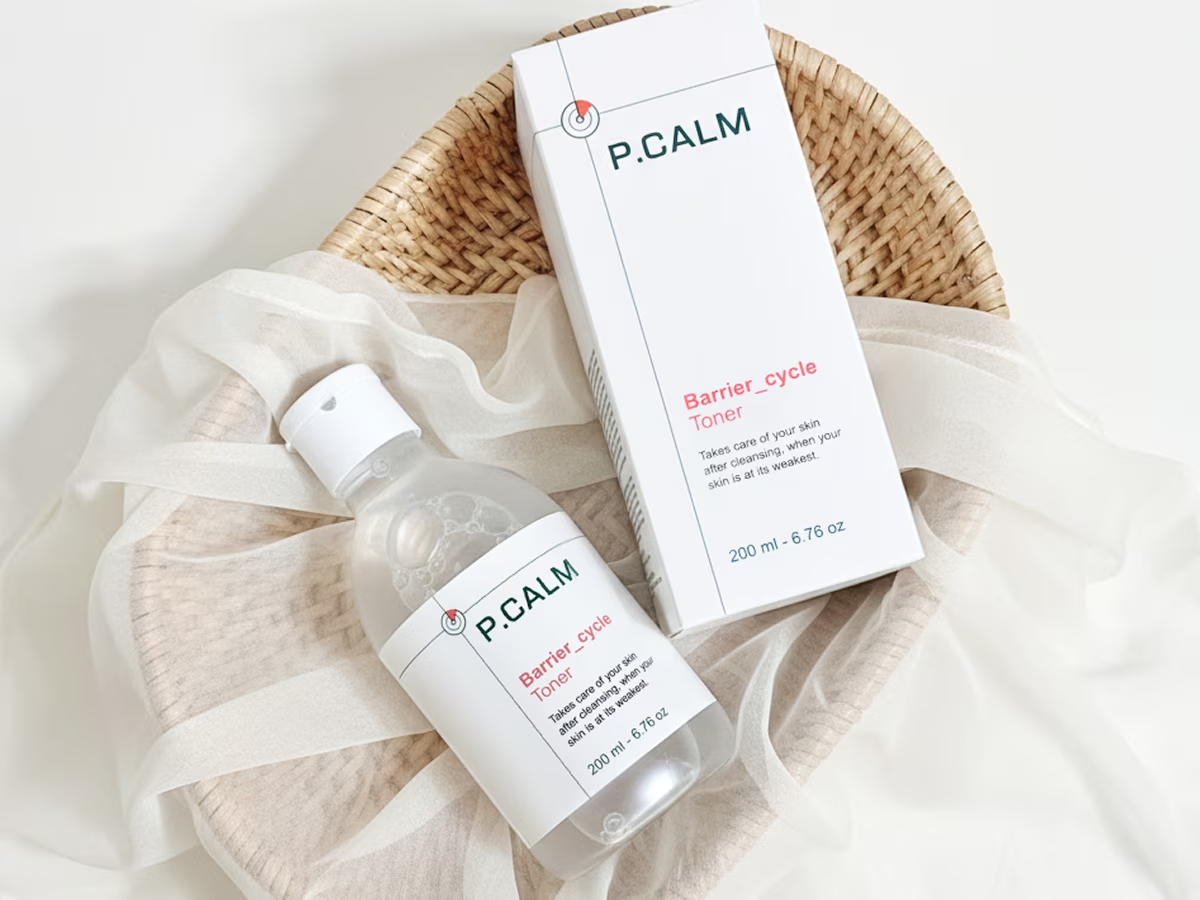
If you have sensitive or redness-prone skin, it’s best to skip toner after cleansing. Toners, especially exfoliating toners, can contain ingredients that further irritate the skin. Conversely, if you have oily or acne-prone sensitive skin, using a toner can actually help control sebum and minimize pores, so check the ingredients and use accordingly.
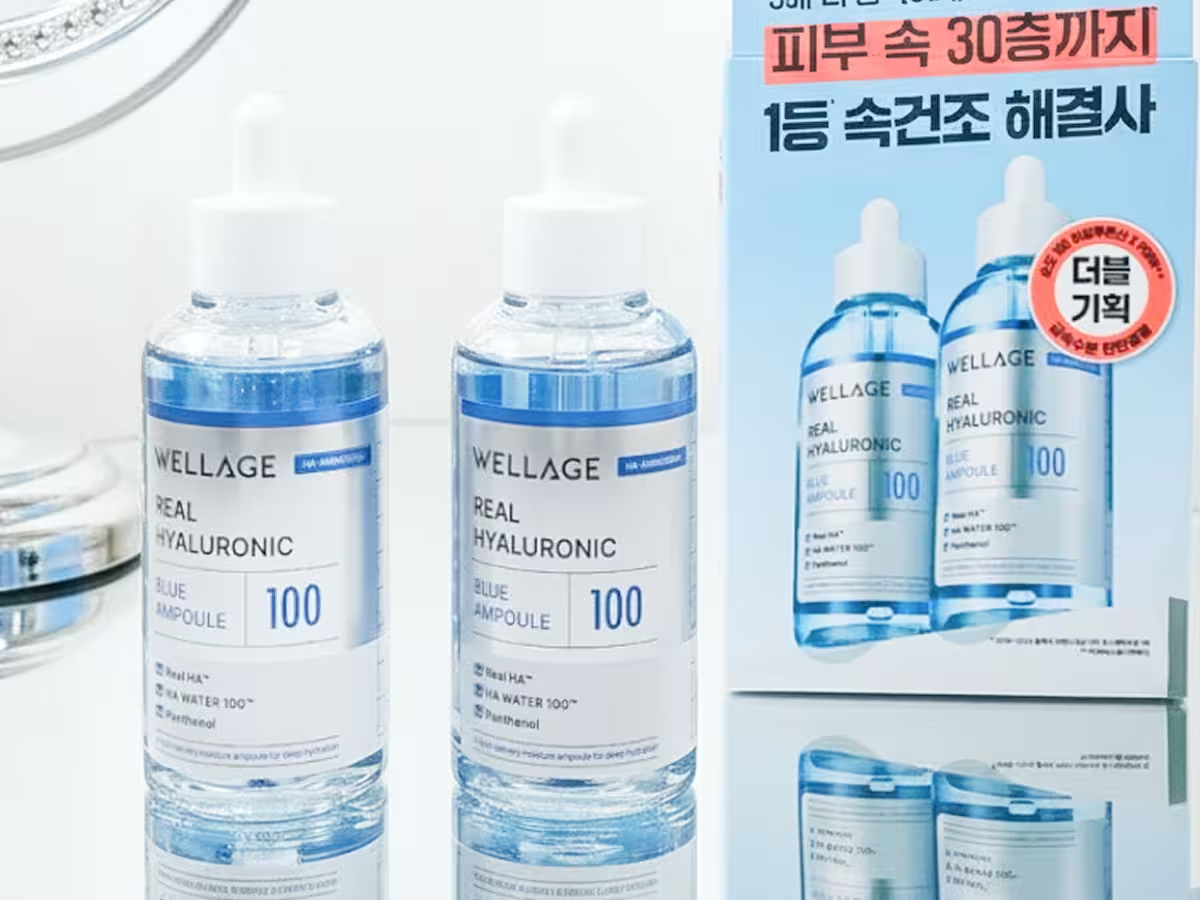
Sensitive skin should choose a serum containing ceramides or panthenol as your first hydration step. If it also includes centella asiatica (cica), that’s even better, and if you can find a product with PDRN, consider yourself very fortunate. These products are worth their weight in gold.
For daytime moisture, rather than layering with a thick cream, apply a deeply hydrating serum followed by a watery sunscreen. This combination works better, as we’ve found. Of course, if your sensitivity is due to dryness, you might want to add a thin layer of a non-oily moisturizer or opt for a milky serum.
Recommended Korean Moisturizers for Sensitive Skin
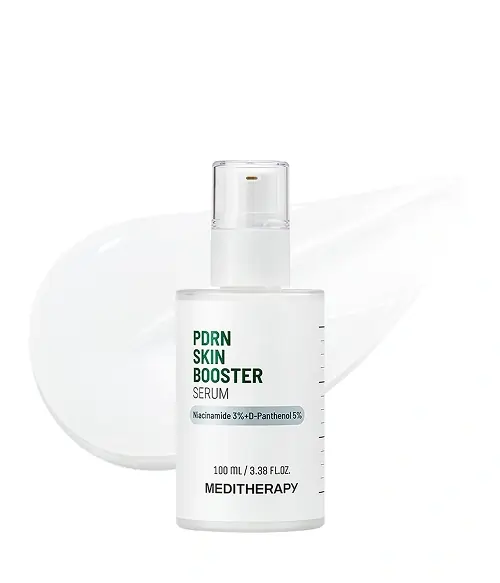
Non-comedogenic serum with cica-derived PDRN, panthenol, and niacinamide that soothes, hydrates, and supports skin regeneration.
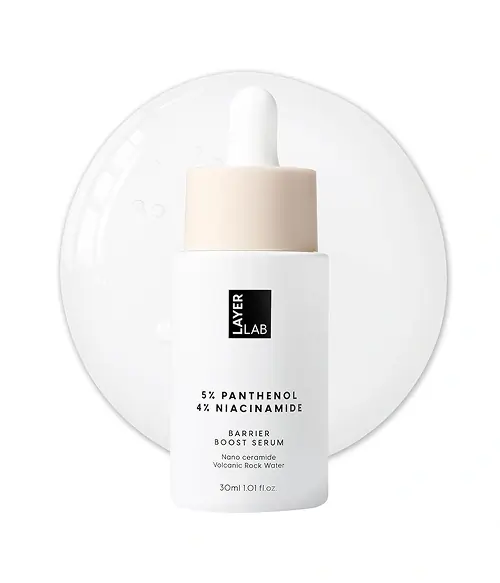
Non-comedogenic milky serum with nano ceramides, squalane, panthenol, and niacinamide that strengthens the skin barrier and relieves dryness.
Step 3: Sunscreen
While everyone should be diligent about sunscreen for healthy skin, sensitive skin reacts more easily to external irritants, making thorough sun protection even more critical. UV rays weaken the skin barrier, and sensitive skin is more susceptible to irritation, redness, itching, and breakouts.
Using physical sunscreens (zinc oxide, titanium dioxide) can minimize irritation, but if you dislike the white cast, and let’s be honest, most people do, look for watery sunscreens that are non-comedogenic and hypoallergenic. That’s your best option. The next best choice is a product that contains moisturizing and barrier-strengthening ingredients.
Recommended Korean Sunscreens for Sensitive Skin
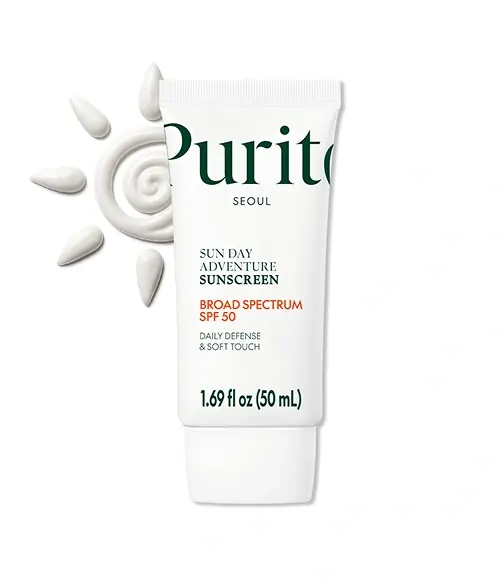
Non-comedogenic, hypoallergenic sunscreen that hydrates and soothes while providing broad-spectrum protection. Lightweight and leaves no white cast.
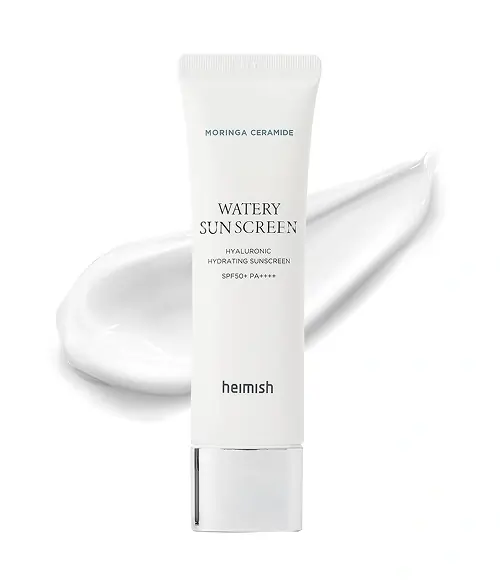
Hydrating sun essence with broad-spectrum protection, enriched with Moringa extract, 5-layer ceramides, and panthenol to care for dry, sensitive skin.
Night Korean Skincare Routine for Sensitive Skin
If you haven’t worn makeup or applied sunscreen because you stayed indoors, use the same gentle cleansers recommended for the morning routine. However, for days when you’ve worn sunscreen and makeup, here’s the double cleansing routine you need to know about.
Double Cleansing for Sunscreen & Makeup Days
The two most recommended methods for sensitive skin in the evening are cleansing first with a cleansing milk or lotion, or using a foam maker to create foam from cleansing water. Follow this with a second cleanse using a gentle cleanser. Both methods work well, and you’ll need to decide which one suits your skin best.
Cleansing milk is popular among dermatologists and aestheticians because it moisturizes while gently cleansing and helps remove oil-based sunscreens. However, it has weaker cleansing power than oils or balms, so it can’t completely remove makeup. For heavy makeup, start with a dedicated remover for waterproof eye and lip products, and then use cleansing milk to remove base makeup.
Using a foam maker with cleansing water is an ingenious method that minimizes irritation while reducing oil buildup. People with acne-prone skin often find that oils, balms, and sometimes even milk cleansers can worsen breakouts. For these individuals, dermatologists often recommend cleansing water for double cleansing. Since its cleansing power may be limited, always remove waterproof products with a dedicated remover first, and be sure to do a second cleanse, as dissolved sunscreen and makeup residue will remain on your face.
Nighttime Moisturizing
After cleansing, apply serum in a thin layer and let it absorb, then apply a recovery cream or night cream. Night creams are designed to work while the skin is at rest, making them perfect for sensitive skin that needs extra care and gentle nourishment. Their rich, soothing formulas help maintain moisture balance, reduce sensitivity, and promote a healthier, more resilient skin barrier.
For oily, acne-prone, sensitive skin, use non-comedogenic products. For dry sensitive skin, focus more on cica and barrier-repair ingredients when choosing products. This makes a real difference.
Recommended Korean Creams for Sensitive Skin
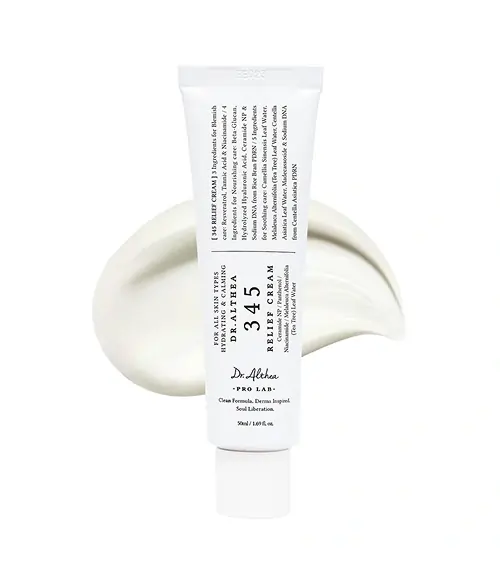
Vegan, non-comedogenic cream packed with intense hydration, perfect for sensitive, easily irritated, blemish-prone skin. Soothes and supports skin recovery.
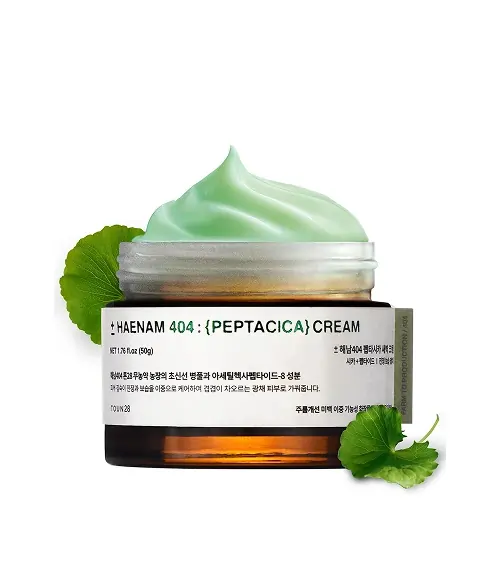
High-moisture night cream with cica, peptides, panthenol, and niacinamide that hydrates, calms, smooths roughness, and restores natural radiance.
Skincare Tips for Sensitive Skin
Humidifiers & Vaporizers
People with sensitive skin often experience redness, itching, and tightness when the seasons change or the air becomes dry. When indoor humidity drops, the skin barrier weakens and becomes more reactive to external irritants, so managing your indoor environment helps. In Korea, humidifiers are relatively common. You’ll find them not only in medical facilities but often in homes as well.
The good news is that humidifiers work. The bad news is that they require maintenance. You need to change the water daily and clean the interior regularly to prevent bacterial growth. While humidifiers are beneficial, they can be harmful if not properly maintained. Choose a humidifier that is easy to clean and has fully detachable parts for deep cleaning, and you should be fine.
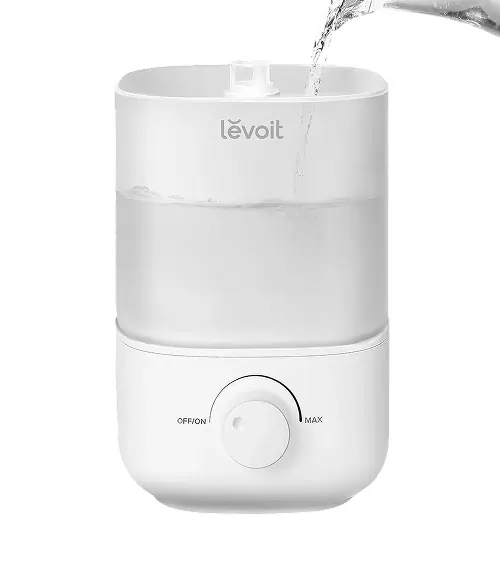
Easy top-fill design with up to 25 hours of use. The wide opening makes tank cleaning simple, and the detachable base leaves no hard-to-reach spots.
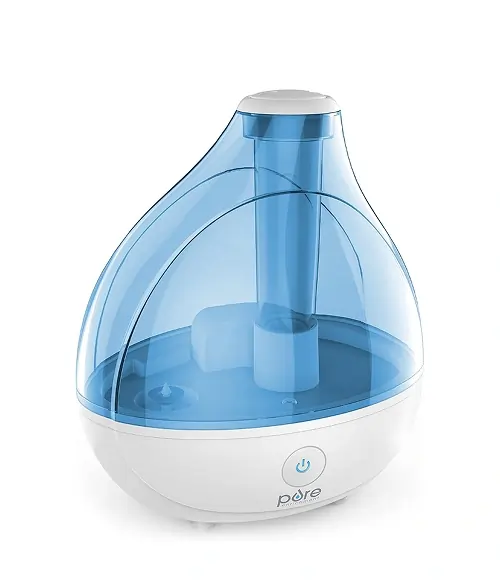
Ultrasonic cool mist technology quickly and safely adds moisture to dry air for up to 25 hours, maintaining healthy humidity. The sleek 1.7L transparent tank is easy to fill.
Sheet Masks
Sheet masks can be an excellent choice for sensitive skin because they effectively supply moisture, provide soothing effects, and help protect the skin barrier. The occlusive effect allows the active ingredients in the essence to absorb well into the skin, and that’s exactly what you want. Choosing products with gentle ingredients (such as panthenol, allantoin, madecassoside, hyaluronic acid) makes them even more effective for calming and moisturizing.
Dermatologists recommend sheet masks for sensitive skin, but advise careful examination of ingredients and materials when selecting products. In particular, choose sheet masks made from soft materials like plant-based cellulose, microfiber, or hydrogel. Note that nutrient-rich sheet masks can actually irritate the skin if used daily, so it’s safer to primarily use moisturizing sheet masks.
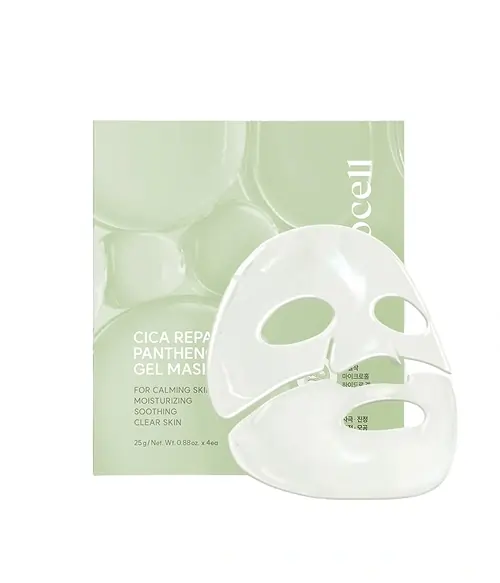
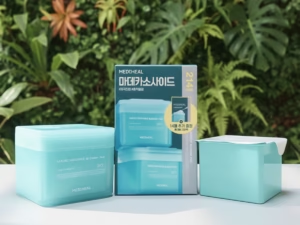
Non-comedogenic, pH-balanced hydrogel mask packed with cica actives, panthenol, and salmon PDRN. Free from fragrance, color, parabens, and PEG.
Mistakes Sensitive Skin Should Avoid
Using Too Many Products
Layering multiple skincare products, especially those with active ingredients, can overwhelm sensitive skin and lead to redness, itching, or burning. Stick to a simple routine with gentle, fragrance-free cleansers, moisturizers, and sunscreen. Opt for superior quality products instead. You don’t need to use every product under the sun.
Not Patch Testing New Products
Always patch test new products before applying them to your face or body. This helps identify potential irritants and prevents widespread reactions. People with sensitive skin may not react to the same products. There may be a particular ingredient (for example, heartleaf) that you’re specifically reactive to. You won’t know until you test it.
Over-Exfoliating or Deep Cleansing
Exfoliating too often or using harsh cleansers can strip natural oils and damage the skin barrier, making it more prone to dryness and irritation. Limit exfoliation and avoid deep-cleansing tools or clay masks. For extremely sensitive skin, it’s generally safer to use PHA (polyhydroxy acids) and LHA (lipo-hydroxy acid) rather than traditional AHA (alpha hydroxy acids) or BHA (beta hydroxy acids), as PHAs and LHA are milder and less likely to cause irritation.
Using Hot Water & Taking Hot Showers
Hot water can further dry out sensitive skin, and this is one of the most common mistakes people make. Always wash with lukewarm water and avoid drastic temperature changes. You might want to shorten your cleansing and showering time to minimize moisture loss. After washing, gently pat skin dry with a clean towel and apply a moisturizer to lock in hydration.
Takeaway
If you have sensitive skin, you’ll want to focus solely on strengthening your skin barrier rather than using aggressive treatments. The key ingredients to look for are ceramides, panthenol, centella asiatica, and PDRN, which help repair and protect without causing irritation. Your routine doesn’t need to be complicated.
Typically, you’ll want a gentle cleanser (or just water in the morning), a hydrating serum with barrier-repair ingredients, a lightweight daytime moisturizer, sunscreen that won’t cause irritation (physical or watery formulas work well), and a richer cream at night. One thing to note is that double cleansing is only necessary when you’ve actually worn makeup or sunscreen. In that case, start with cleansing milk or foam water, followed by a gentle cleanser.
It’s worth watching out for common mistakes like using too many products at once, skipping patch tests, over-exfoliating with harsh acids, or washing with hot water. Keep things simple with non-comedogenic products, even if acne isn’t your main concern, and consider adding a humidifier during dry seasons. If you do want to exfoliate, PHAs and LHAs are generally safer options than traditional AHAs or BHAs for sensitive skin types. With this barrier-first approach and careful product selection, you should be able to reduce reactivity, calm redness, and keep your skin comfortable year-round.